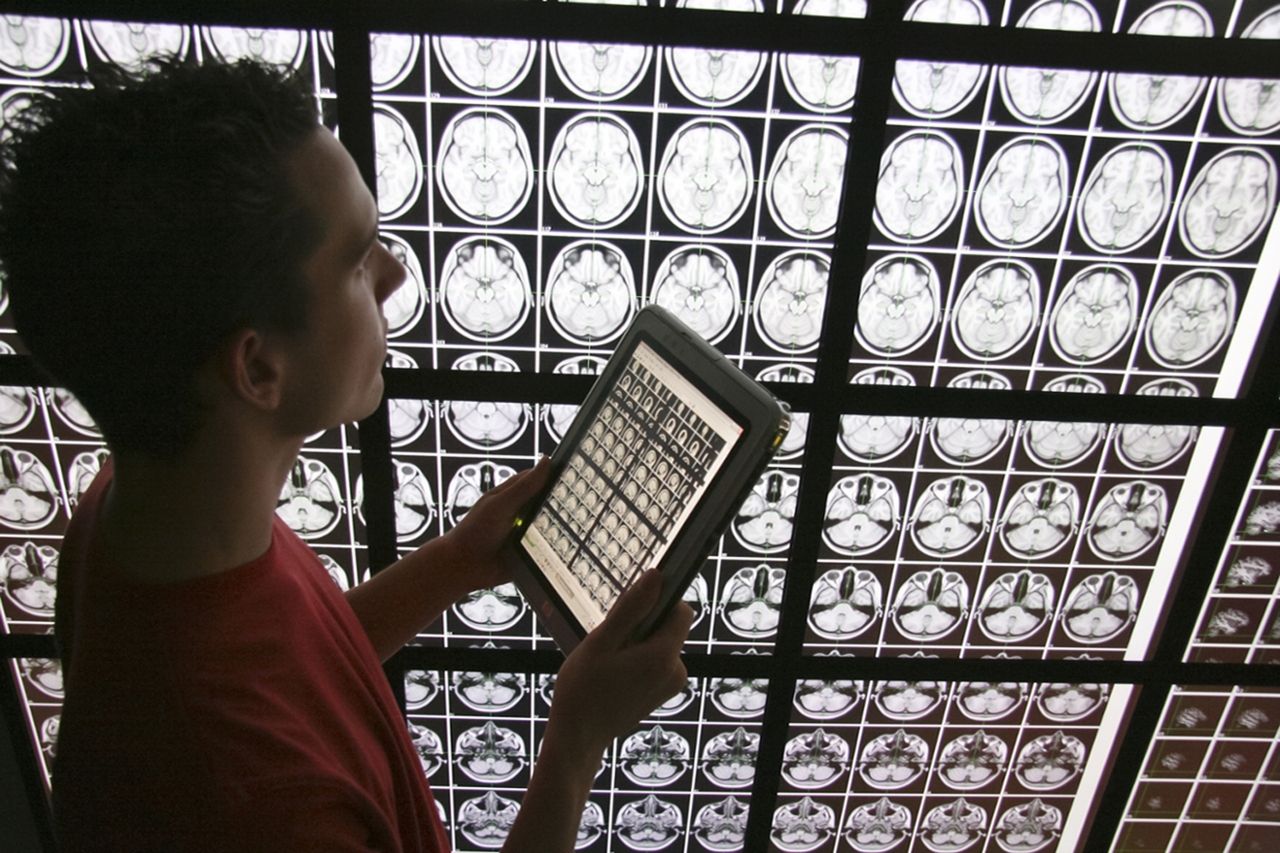
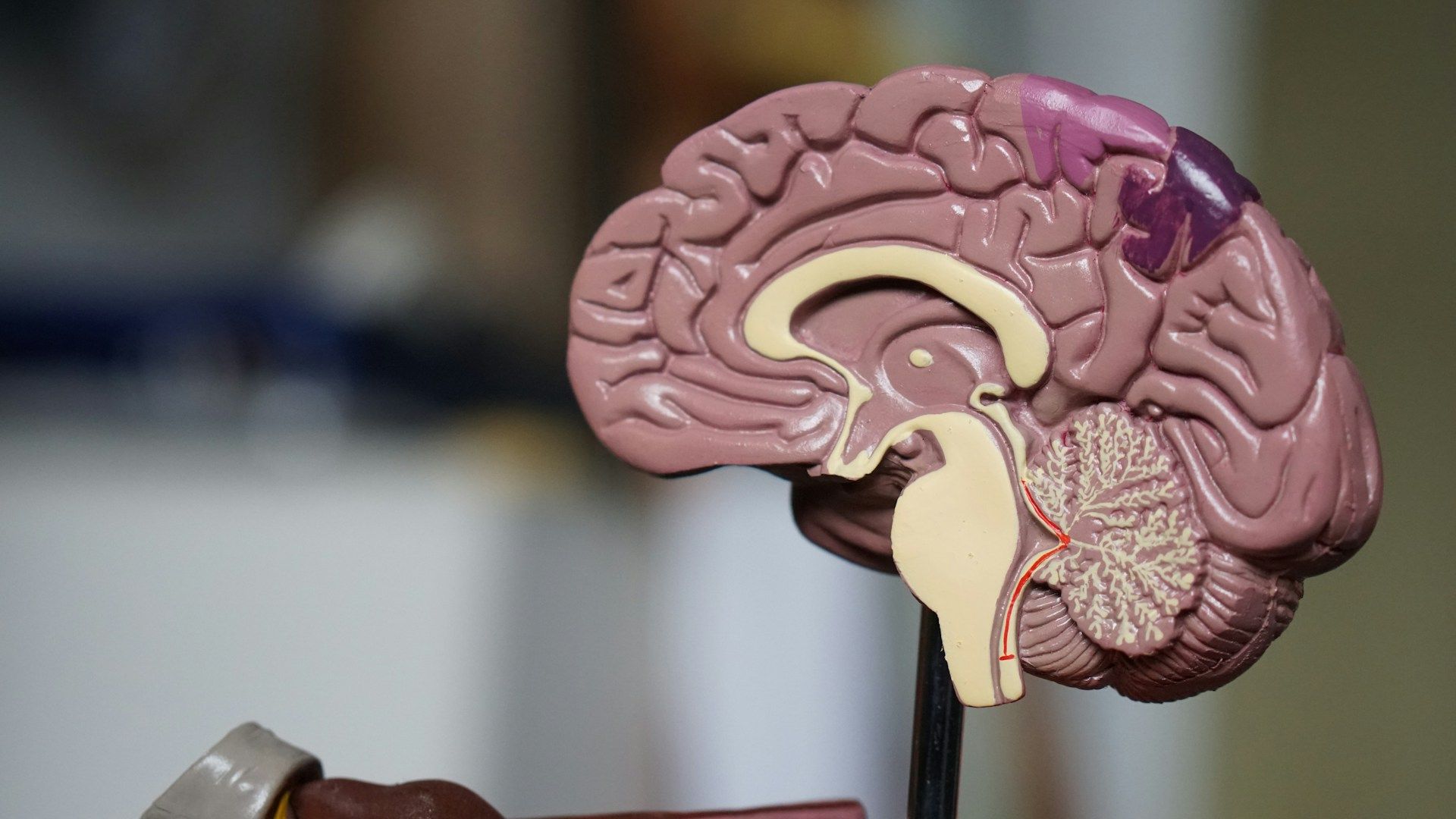
In a large-scale EU-funded consortium, we have developed and validated an in-silico trial platform for treatment evaluation of patients with an acute ischemic stroke – the most debilitating disease in the world. This platform combines data- and knowledge-driven computational models of treatment with “synthetic patients” developed utilizing a large stroke database.
We believe that there is great value in the generalisation of synthetic patient generation tools to become relevant for wider populations and different diseases. With our collaboration between Amsterdam UMC, Informatics Institute, and the Faculty of Humanities, we aim to establish a dialogue between technical and social research to discuss the opportunities of the use of synthetic data and solutions to expand its applicability using artificial intelligence.
Project team:
- Praneeta. R. Konduri (FdG)
- Dr. Erik Bekkers (FNWI)
- Dr. Randon Taylor (FGw)