‘AI is about politics: we can contest it, shape it, and simply say no’
16 februari 2026
What inspired you to write this book?
‘To our mind, the public discussion about AI is too narrowly focused on its economic dimension – also here in the Netherlands. We show how AI is all about politics, too: the public rules for building and using AI, money that governments invest in AI, decisions about using foreign AI or domestic models, etc. The same is true for managing the societal impact of AI, for example on job markets. Governments can and do steer the AI transformation. That creates both a responsibility and an opportunity.’
What common misconception about AI do you address in the book?
‘Several, actually. First, "AI" is not one thing but actually a whole range of rather diverse technologies, with diverse ramifications. ChatGPT has a very different impact from, say, computer vision or smart robotics. Confusing these things generates muddled conversations. Second, there is a lot of human labour behind building AI. Not only in sleek office buildings, but also in the form of thousands of poorly paid click workers who clean data sets and keep the whole thing running. That human side is often overlooked.’
It is kind of scary that a technology of which control is so concentrated, is touted as the future of our societies.
What is the most surprising insight you gained?
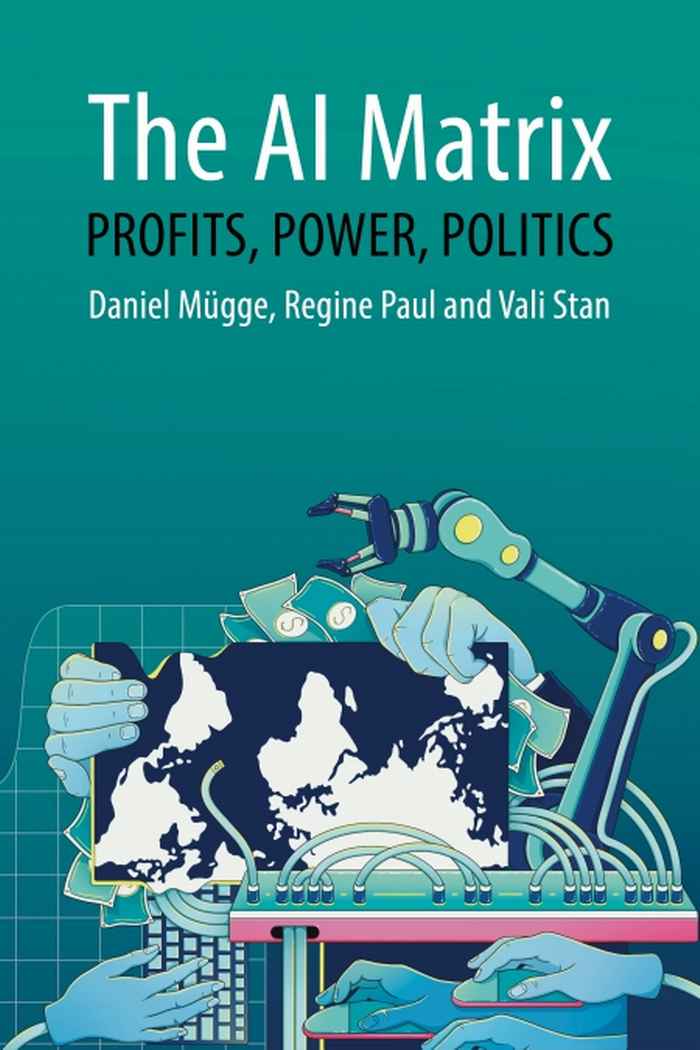
‘I guess how concentrated power is in this field. AI is dominated by a handful of companies in a handful of countries. That's maybe not entirely new, but it still hit me during the writing process. Considering that, it is kind of scary that a technology of which control is so concentrated is touted as the future of our societies.’
What do you hope readers take away?
‘We should not think of AI as a kind of technological meteor that has hit planet earth, and which we now just have to live with. AI is about politics, just like many other things. We can contest it and shape it, and - where appropriate - simply say "No". It is not humanity's inevitable destiny, but a technology we should use when it makes us all better off, and simply reject when it does not.’