Selina Khan and Gonçalo Marcelino (MultiX) present their AI artwork at NeurIPS conference
25 november 2025
Reflecting how our lives are increasingly shaped by AI-generated media, Khan and Marcelino created a beach-like installation that blends real shoreline debris with AI-transformed images and videos. The artwork is designed in collaboration with visual artist and photographer Meike Driessen. Visitors are invited to explore this space as contemporary jutters, deciding what to keep and what to discard. In doing so, the project reimagines AI-imagery as material for reflection, encouraging a more discerning engagement with the content that drifts through our feeds.
Description of the installation
The installation is composed of an approximately 2 × 3 meter space covered in sand. Some parts are dry, others humid, evoking a patch of beach near the sea. Lighter-coloured sand is used to define a path through which the participant is invited to walk, with darker-coloured sand used in the remaining areas of the installation. Shells, small pieces of driftwood, and other tidal debris collected from Noordwijk beach in the Netherlands are scattered across the sand. Alongside these bits and pieces of a real beach 7 framed prints of AI-generated images are placed, mirroring the objects encountered by jutters, and 2 screens displaying AI-transformed videos, mirroring the transformation process that an object undergoes when being hit by the waves and eroded by the sea. As participants move through the installation, they are guided by an audio narration accompanied by the sound of waves. The narrator leads the participants through the space while introducing the jutter tradition. The participants are invited to become jutters of the digital sea themselves, and to reflect on the AI-transformed objects around them. The questions posed by the narrator prompt consideration of lost histories, altered meanings, and the new roles these digitally reshaped fragments might play in future contexts.
Biography of the creators
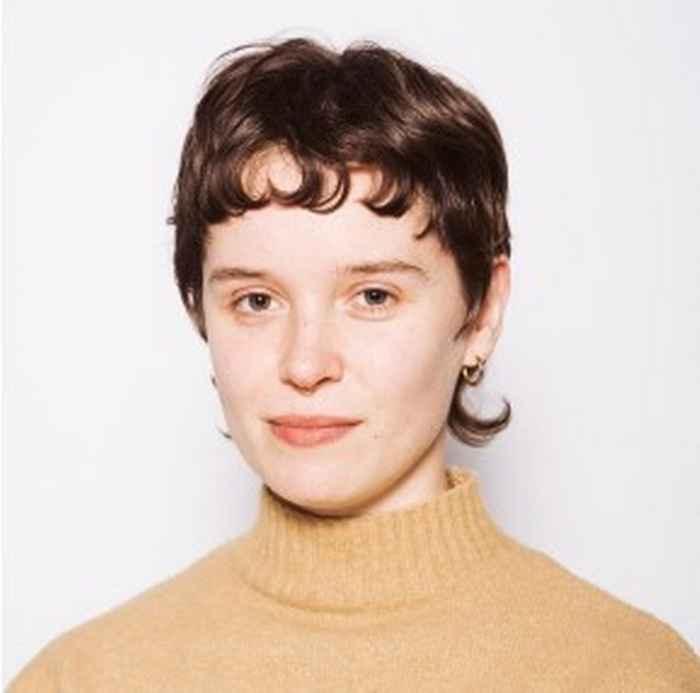
Meike is a visual artist and photographer. She graduated from St Joost School of Art & Design in 2023. In her work she explores themes of vulnerability, loneliness, and hope. With a strong fondness for poetic visual storytelling, Meike uses photography and film as subtle, interpretive languages. Rather than offering clear answers, Meike’s installations create quiet, immersive spaces where viewers can reflect, question, and connect on their terms.
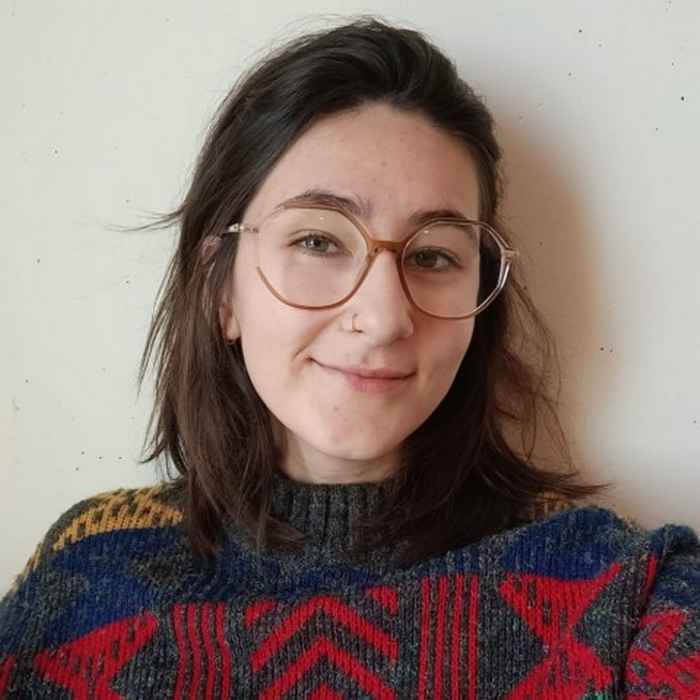
Selina is a research assistant at the University of Amsterdam, focused on the intersection of AI and visual arts. Her research focuses on capturing nuanced, context-rich information from the artistic domain in AI systems and exploring how these technologies can deepen our understanding of art while respecting its subjectivity and cultural significance. Later this year, she will start her PhD on cultural bias in multimodal AI in the MultiX lab in the Informatics Institute at the University of Amsterdam.
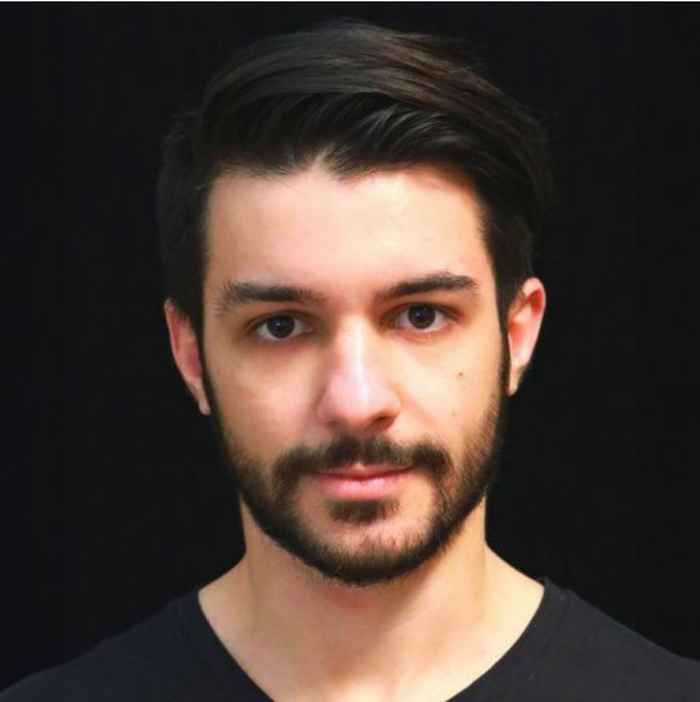
Gonçalo is an AI researcher with a passion for art and philosophy. As part of his Master’s thesis, he developed new AI methods for visual storytelling. His work led to several publications in top conferences and received an award from the Fraunhofer Institute. He is currently a PhD candidate at the MultiX lab in the Informatics Institute at the University of Amsterdam, collaborating with the Netherlands Forensic Institute to develop novel AI tools for combating money laundering.
About the NeurIPS Conference
The conference was founded in 1987 and is now a multi-track interdisciplinary annual meeting that includes invited talks, demonstrations, symposia, and oral and poster presentations of refereed papers. Along with the conference is a professional exposition focusing on machine learning in practice, a series of tutorials, and topical workshops that provide a less formal setting for the exchange of ideas.