How does AI influence the images that it generates?
Now that anyone can create images with the aid of AI, we are seeing more and more AI-generated images around us. At the same time, little is known about how the underlying AI systems work and how biased they are – for example, in terms of gender. An interdisciplinary team of UvA academics are going to conduct research into that. The researchers are going to collaborate with partners from the cultural sector in their project Visual Imaginaries of Gender, which is going to start soon.
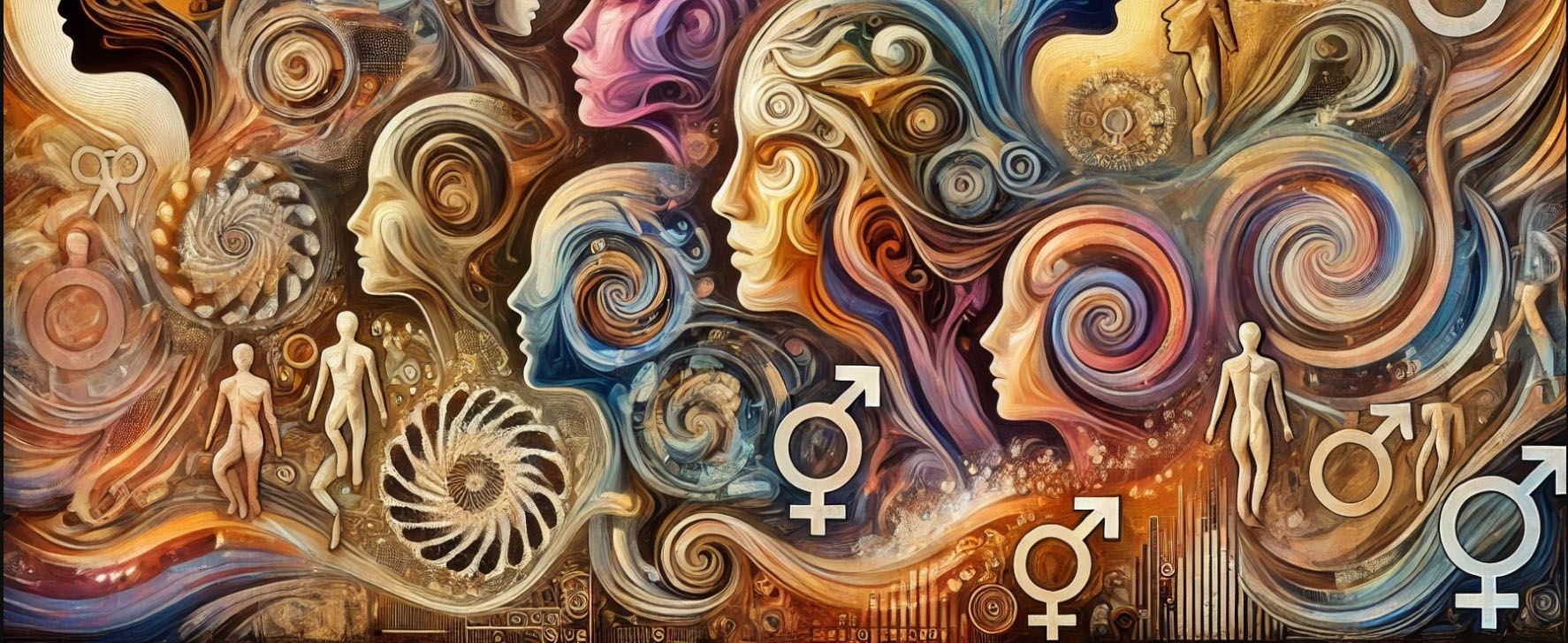
If you ask AI to create a picture of a human without indicating a preference for a certain gender, you are more likely to be given an image of a man than one of a woman. We know from previous research that generative AI tools, which we can use to create images, are biased when it comes to gender.
What we don't know yet, however, according to computer vision researcher Nanne van Noord, is how this works with images of historical, or explicitly cultural, settings. ‘If the same bias applies, you would expect it to be easier, for example, to create an image of a male figure in a role that is typically viewed as female historically than a female figure as a general in a Roman army. We are going to research the extent to which that is true in this project.’

The impact and the use of generative AI are primarily discernible in the creative and artistic industry, so we are collaborating with partners from those sectors.Nanne van Noord
AI images in the wild
It is important that we learn to better understand how generative AI (GenAI) influences the visual representation of gender, explains Van Noord, because that technology has become increasingly prominent in recent years. ‘Tools to generate images have become accessible to everyone recently. As a result of this, we are now seeing AI images appear in the wild, for example in adverts and also in art. However, we still don’t actually fully understand what kind of influence such an AI system has on the images that it creates.
The project will be carried out by researchers from various fields of study: in addition to Van Noord, Eftychia Stamkou (social and cultural psychology) and Melvin Wevers (history and digital methods) will form part of the research team. ‘That interdisciplinary approach is important, explains Van Noord, ‘because the underlying problem itself is also interdisciplinary: it is about technical AI systems, but also the interpretation of the results by people and the socio-historical context in both the prompt and the result.
Together with designers and artists
The idea for the research stems from existing projects of the researchers involved. For example, Van Noord has been working for a long time on research into bias and cultural understanding within AI systems. Together with Stamkou, Van Noord previously conducted research into the representation of women in art: for example, they conducted research together with WOMEN Inc. into whether there was gender equality within the collection of the Singer Laren museum.
In addition to researchers from different faculties, partners from outside the University are also involved in the research: the Amsterdam University of Applied Sciences (AUAS), the Sandberg Instituut (the Master’s programme of the Gerrit Rietveld Academie) and design agency Studio Bertels. ‘The impact and the use of generative AI are primarily discernible in the creative and artistic industry’, says Van Noord. ‘That is why we are collaborating with partners from those sectors, in order to understand how they deal with the biases in GenAI systems.
Together with artists, the researchers are going to organise workshops to gather data and critical insights regarding the use of GenAI, in order to better understand how AI influences the representation of gender. Van Noord: ‘In this way, we are ultimately hoping to contribute to the development of inclusive, creative tools for research, teaching and the arts.’
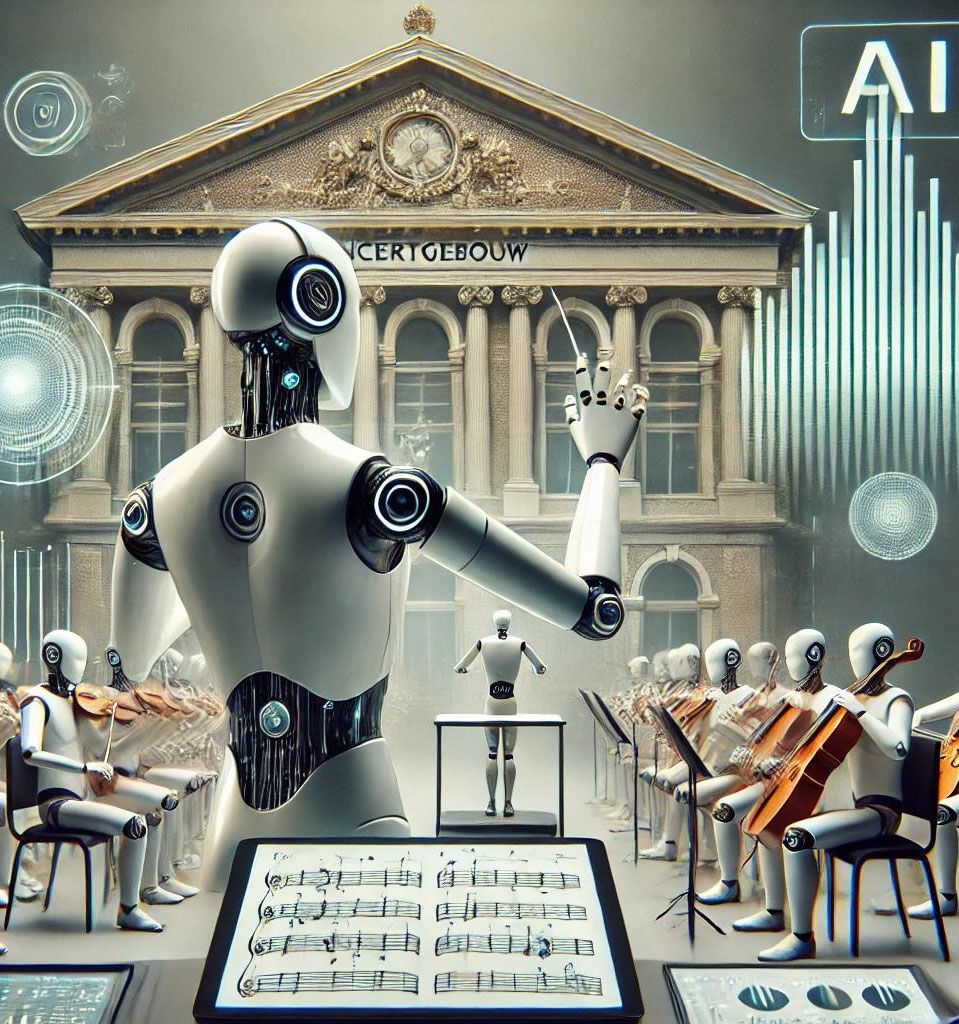
Impact story: Creativity & GenAI
GenAI offers unprecedented opportunities for content creation, but what are its risks and ethical issues? UvA researchers investigate this from a wide range of perspectives and disciplines.
Responsible Digital Transformations
The interdisciplinary, UvA-wide community for research on the ethical, legal and societal aspects of digital technologiesVisual Imaginaries of Gender: The potentials and limitations of GenAI
This project investigates the gender imaginaries of Generative Artificial Intelligence (GenAI) for image generation. Whilst prior research has demonstrated that GenAI defaults to masculine when prompted without gender in...
Developing a method to make AI explainable to humans
AI can take over many of our tasks, creating endless possibilities. But how can we ensure that AI models are understandable and explainable to humans? In a new, interdisciplinary research project, UvA researchers are dev...