Responsible Digital Transformations
The interdisciplinary, UvA-wide community for research on the ethical, legal and societal aspects of digital technologies
Imagining futures to empower the present: Exploring and experimenting with future methodologies
With regular meetings, the UvA wide research community Responsible Digital Transformations (RDT) aims to create a space for interfaculty encounters and conversations. We give a podium to UvA groups to present their research, their methodologies, or open questions to the RDT community. At this month’s special edition, Paula Helm and Roanne van Voorst will speak about exploring and experimenting with future methodologies.
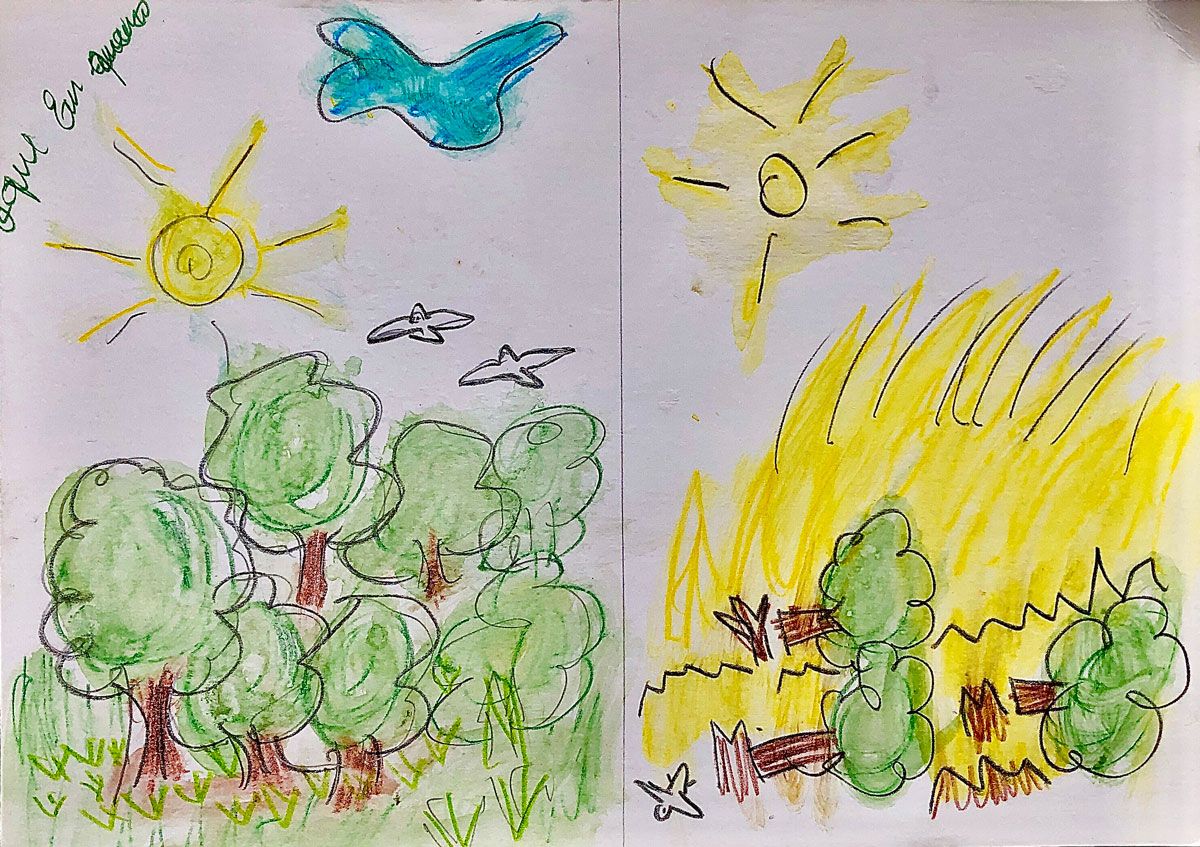
This workshop aims to share and co-create innovative, social scientific techniques and methodologies attuned to research future scenarios. In doing so, we are not referring to a long-terminist perspective, nor are we denying the need to analyse and understand what is happening in the present. On the contrary, we start from the conviction that by becoming more attentive to how present actions and decisions affect the future, we will also increase our analytical and ethical sensitivity to the problems and potentials we face today.
To this end, we introduce experimental methods such as horizon-scanning, impact-consequence practices, cosmopolitical counselling, and scenario-building. Using exemplary cases, we share how we have mobilized these methods in our research and explore with participants how they might be productive for their research. Aside from trying out methodologies, a second aim of this workshop is to build a network of people who might be interested in working on this theme collaboratively, and UvA-wide: can we build a methodology together, or develop theory that is useful to us?
Paula Helm is an Assistant Professor specializing in Critical Data Studies and AI Ethics, with a research focus at the convergence of STS, Media Studies, and Ethics. Her larger goal is to shift the discourse of AI Ethics from mere public relations to influencing the very engineering and development processes.
Roanne van Voorst is an Assistant Professor at the Anthropology department at UvA and her work focuses on a sustainable humanity, more specifically on how to stay humane in times of datification and technologization. She is the principal investigator of an ERC-funded research on health and AI. She is also the president of the Dutch Future Society.
9:45 | Doors open |
10:00 – 10:25 | Welcome & setting the stage Why is it important to talk about the future? General introduction to the field, challenges, and limits |
10:25 – 10:45 | Two case studies |
10:45 – 11:00 | Workshop in 2 groups Using future methodologies to better make sense of the new technologies’ impacts. Using future methodologies to develop/implement responsible sociotechnical systems. |
11:45 – 12:10 | Lunch |
12:10 – 12:30 | Discuss strategy towards better integration of future methodologies into UvA curricula and research |
12:30 – 13:00 | Networking |